Guides
Vehicle Wraps for HVAC Companies: Turn Service Trucks into Lead Machines
An HVAC service truck parked at a job is free advertising to a whole neighborhood. Here is how wraps turn your trucks in
Jun 9, 2026
By Victor Savenco · January 12, 2026· 7 min read
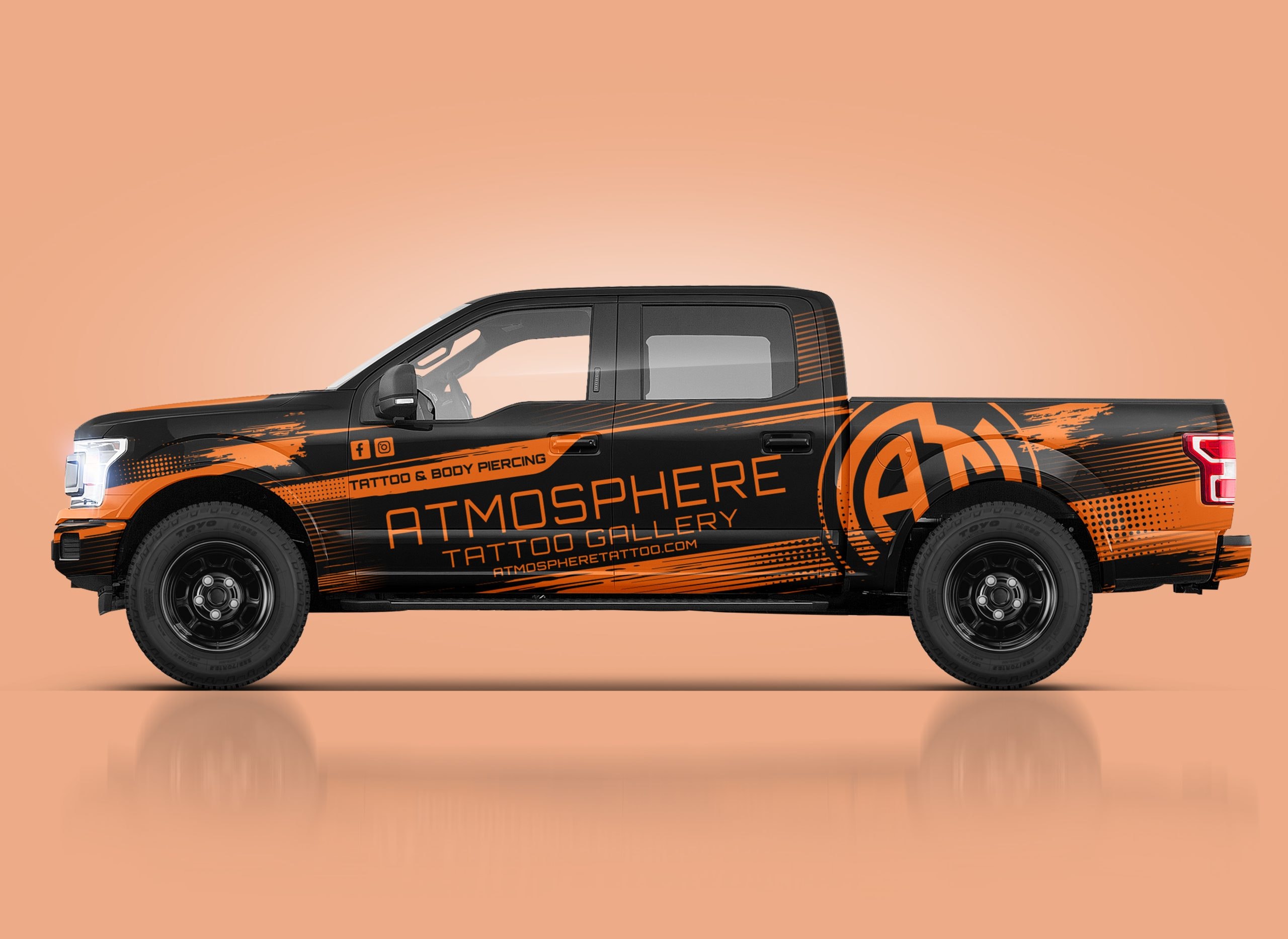
When it comes to commercial vehicle wraps, design matters more than most people realize. Materials, print quality, and installation are all important, but without the right design, even the best wrap won’t do its job.
A vehicle wrap has one main purpose: to communicate what your business does and who it’s for, quickly. Unlike a website or brochure, people don’t spend minutes looking at a wrap. They see it while driving, walking, or passing by in traffic. That means the message has to be clear almost instantly.
In many cases, people have only a few seconds to notice your vehicle, understand your service, and remember your business. That’s why design is not just about looking good — it’s about communication.
Studies in advertising and visual communication consistently show that people process visual information very quickly. When it comes to vehicle wraps, the average viewer has around 5–7 seconds to notice and understand what they’re seeing. In busy traffic, that time can be even shorter.
This short window is why cluttered designs fail.
If a wrap is overloaded with text, colors, and graphics, the message gets lost. People may see the vehicle, but they won’t remember the business or understand what services are offered. A wrap that tries to say everything usually ends up saying nothing clearly.
Good wrap design respects the way people actually look at vehicles in real life.
One of the most common mistakes we see in commercial wrap design is trying to include too much information. Long lists of services, small text, multiple phone numbers, and too many visual elements make a wrap harder to read, not more informative.
Clean design works because it focuses on one main message.
Instead of trying to explain everything, a strong wrap answers three simple questions:
What type of business is this?
What main service do they offer?
How can I contact them?
If those questions are answered clearly, the wrap is doing its job.
Your instinct about limiting colors is correct.
Most effective commercial wraps use two to three main colors, sometimes supported by neutral tones like white, black, or gray. Using too many colors can overwhelm the viewer and weaken brand recognition.
Consistent color use helps people recognize your business faster. When the same colors appear on your vehicles, logo, website, and uniforms, the brand becomes familiar over time.
Strong brands are recognizable not because they use many colors, but because they use the same colors consistently.
Another important point you mentioned is limiting the number of services shown on the wrap — and that’s absolutely right.
A vehicle wrap is not a menu.
Trying to list every service you offer usually results in small, unreadable text that no one remembers. Instead, it’s far more effective to highlight one to three core services that best represent your business.
These services should be:
Easy to understand
Relevant to your target customers
Large enough to read from a distance
Additional services can be explained on your website or during a call. The wrap’s job is to start the conversation, not finish it.
A short slogan can be very effective when used correctly. The key is keeping it simple and relevant.
A good slogan:
Reinforces what you do
Supports your main message
Is easy to read and remember
A bad slogan is too long, vague, or generic.
When used properly, a slogan helps give personality to the brand without distracting from the main service message.
Another common design mistake is hiding contact information or making it too small.
Your phone number or website should be:
Easy to find
Easy to read
Placed where the eye naturally goes
You don’t need every social media icon on the vehicle. In most cases, a phone number and website are more than enough. The goal is to make it easy for someone to take the next step.
If people have to strain to read your contact information, the wrap isn’t working.
Every vehicle is different. Door handles, windows, body lines, and panel gaps all affect how a design looks once installed. A good design takes the actual vehicle shape into account from the beginning.
This is why using generic templates or copying another company’s layout often leads to poor results. What works on one van may not work on another, even if they look similar.
Professional wrap design adapts the layout to the specific vehicle so that logos, text, and graphics remain readable and balanced once installed.
Designing for vehicle wraps is not the same as designing for print or digital media. Wrap design requires understanding:
Viewing distance
Vehicle movement
Real-world lighting
Panel layout and seams
Installation limitations
This experience comes from working on real projects, not just creating designs on a screen.
At AdWrap Graphics, our design decisions are based on years of hands-on experience with commercial vehicles. We’ve seen what works, what doesn’t, and how small design choices can make a big difference once the wrap is on the road.
That experience allows us to guide clients toward designs that are not only visually appealing but also effective as marketing tools.
A commercial vehicle wrap should never be treated as decoration alone. It’s a business investment meant to support growth, recognition, and lead generation.
When design is done right, a wrap continues working for years — quietly reinforcing your brand every time the vehicle is seen. When design is done poorly, even the best materials won’t save it.
The most successful wraps are not the busiest or the loudest. They are the ones that communicate clearly, look professional, and are easy to remember.
Design is the foundation of an effective commercial vehicle wrap. Clean layouts, limited colors, focused messaging, and proper spacing all play a role in making a wrap work in real-world conditions.
If your goal is to attract attention, build trust, and generate leads, design should never be an afterthought. It should be the starting point.
That’s why working with an experienced wrap company matters — not just for printing and installation, but for making sure the design actually supports your business goals.
Get a free design mockup on your exact vehicle — no obligation.
An HVAC service truck parked at a job is free advertising to a whole neighborhood. Here is how wraps turn your trucks in
Jun 9, 2026
A full wrap maxes out impact; a partial wrap brands your vehicle for less. Here is how to choose the right coverage for
Jun 9, 2026
Wrapping a fleet multiplies your brand across every route your vehicles travel. Here is how to plan a fleet wrap rollout
Jun 9, 2026